Things to Do in Chittagong in August
August weather, activities, events & insider tips
Low Season · Budget Friendly
August Weather in Chittagong
Long-run averages for August
88°F (31°C)
High Temp
78°F (25°C)
Low Temp
21.0 inches (533 mm)
Rainfall
89%
Humidity
22
Rainy Days
12
Sunny-Day UV
⚠ Monsoon flooding in low-lying neighborhoods including Chaktai, the port area, and parts of Agrabad can submerge streets for hours after heavy rain. Floodwater is contaminated with sewage and industrial runoff. Avoid wading through standing water. Carry waterproof footwear.
⚠ Landslides on the Chittagong-Bandarban and Chittagong-Rangamati highways close roads multiple times each August, sometimes stranding travelers for one to two days. Monitor local news and confirm road conditions before any Hill Tracts travel.
⚠ Dengue mosquito activity peaks during monsoon. Standing water across the city breeds Aedes mosquitoes that bite during daytime. Use DEET-based repellent. Wear long sleeves in the evening. Seek medical attention immediately for high fever with body aches.
⚠ Rough seas and dangerous undertow make swimming at Patenga Beach and all Bay of Bengal coastal areas life-threatening in August. There are no lifeguards. Do not enter the water.
Is August Right for You?
Weigh the advantages and considerations before booking
Advantages
- + The Chittagong Hill Tracts transform in August monsoon. Waterfalls around Bandarban that trickle pathetically in dry season now thunder down sandstone cliffs with enough force to mist the viewing platforms 30 m (100 ft) away. The jungle canopy along the trails to Nafakhum and Amiakhum falls is so dense and green it filters sunlight into something close to an underwater glow. You will likely have entire waterfalls to yourself. Almost nobody visits.
- + Accommodation prices across Chittagong drop significantly from the October-through-February high season. Hotels that require advance booking during the cool-weather rush suddenly have walk-in availability, and you will find yourself upgraded simply because rooms are empty. Monsoon is the one window where budget travelers can stay comfortably in places normally out of reach. Book then.
- + Chittagong's monsoon food culture is a genuine reason to time a visit. Hilsa, the national fish of Bangladesh, hits its peak season in August when the fish are fattiest from pre-spawning feeding. The preparation locals swear by is ilish bhapa, steamed in mustard paste and wrapped in banana leaf until the oil renders into something rich, pungent, and completely unlike any fish dish you have eaten before. Street-side vendors along Agrabad and Anderkilla sell monsoon-specific snacks like piyaju (lentil fritters) and beguni (battered eggplant slices) fried in black mustard oil, the sizzle audible from a block away. Eat everything.
- + The emptiness itself is the draw. Patenga Beach, which packs shoulder-to-shoulder on winter weekends, has long stretches of dark sand where the only company is the fishing trawlers heading out into the Bay of Bengal and the occasional cow wandering the tideline. The Chittagong War Cemetery, one of the most moving Commonwealth war graves in South Asia, is nearly silent. You can stand among the 753 headstones and hear nothing but rain on the manicured grass and the muezzin from the mosque across the road. Pure stillness.
Considerations
- − Rain is not an occasional inconvenience in August Chittagong. With 22 days of measurable rainfall and 533 mm (21.0 inches) total, this is a place where it can rain hard for hours, not the convenient 45-minute afternoon bursts of drier monsoon destinations. Streets in older parts of the city flood regularly, sometimes knee-deep in Chaktai and the low-lying commercial areas near the port. Drainage infrastructure has not kept pace with the city, and after a sustained downpour the water can take half a day to recede. Pack accordingly.
- − Humidity at 89% makes outdoor exertion punishing. Walking even short distances leaves you soaked through, and the air has a heavy, close quality that first-time visitors to the tropics underestimate. Air conditioning in budget and mid-range hotels can be unreliable, and power cuts during heavy storms are a regular occurrence. Carry a portable fan and expect to change shirts twice a day. Stay hydrated.
- − Transport connections to the Chittagong Hill Tracts become unpredictable. Landslides close the roads to Bandarban and Rangamati several times each August, sometimes for days. The Kaptai Lake ferry schedule becomes erratic, and some of the more remote trails in the hill districts are officially closed by the authorities when soil saturation reaches dangerous levels. Any itinerary involving the hills needs flexibility built into every day. Build in buffer days.
Best Activities in August
Top things to do during your visit
Chittagong City Heritage Walking Tours
August turns a Chittagong city tour into something entirely different from the dry-season version. The old Portuguese-era quarter around Firingee Bazaar, the crumbling colonial architecture along Station Road, and the dockside warehouses near Sadarghat all take on a rain-soaked atmospheric quality that photographs beautifully in the diffused monsoon light. The key is timing: mornings before 10 AM tend to be the driest window, with humidity slightly lower and the temperature sitting around 28°C (82°F) before the midday heat builds. The smell of wet earth mixes with the diesel exhaust from auto-rickshaws and the turmeric-and-ginger scent drifting from tea stalls. Expect to duck under shop awnings for impromptu rain breaks, which is half the experience. The Chittagong War Cemetery, Bayazid Bostami shrine with its famous pond turtles, and the Ethnological Museum of Bangladesh are all manageable in a single morning loop if you start early. Start early.
Booking Tip: Book at least a week ahead through licensed local operators, as guide availability drops in monsoon when fewer tourists visit. Look for operators who provide transport between sites, because walking long distances in August heat and rain is impractical. See current tour options in the booking section below. Plan ahead.
Bandarban Waterfall Trekking
The waterfalls of the Bandarban district, roughly 90 km (56 miles) southeast of Chittagong city, reach their most dramatic volume in August. Shoilo Propat, the most accessible fall near Bandarban town, roars with enough water to send spray across the entire rock pool at its base. More experienced trekkers head to Nafakhum, a two-day trek through indigenous Marma and Mru villages where the jungle drips constantly and leeches are a guarantee. The trails are slippery red clay that grips hiking boots and swallows sandals whole. The reward is a 25 m (82 ft) horseshoe fall in near-total solitude, the sound of the water so loud you communicate in hand signals. This is not casual sightseeing. You need a mandatory guide permit from the Bandarban district office, and you should budget three to four days to account for road closures and trail conditions. Bring leech socks.
Booking Tip: Arrange trekking guides through established operators at least two weeks ahead. August treks require experienced guides who know which trails are passable after heavy rain. Confirm road conditions to Bandarban on the day of travel, as the Chittagong-Bandarban highway is landslide-prone. Check current options in the booking section below. Confirm everything.
Monsoon Seafood and Street Food Exploration
August is hilsa season. Chittagong receives the Bay of Bengal catch first. The fish markets at Fishery Ghat wake before dawn. Concrete floors grow slick with scales and meltwater. The air carries brine. Watching the morning auction is its own experience. Auctioneers shout prices in rapid Chittagonian dialect. Porters balance polystyrene boxes on their heads. Silver hilsa gleam in stacked rows. For eating, try old restaurants along Agrabad Commercial Area. The narrow lanes behind Anderkilla also serve monsoon menus. Ilish paturi reaches peak richness in August. The mustard-steamed preparation, wrapped in banana leaf, carries oiliness absent other months. Fish store fat before spawning. Street carts appear late afternoon. They sell hot piyaju and beguni. Lentil and eggplant fritters crackle in mustard oil. Vendors serve them on newspaper scraps with green chilies that sting your lips.
Booking Tip: Street food needs no booking. For a structured food walk with a local guide, arrange three to five days ahead. Morning markets suit 5:30 AM to 7:30 AM best. Heat builds after that. Find guides who speak both Chittagonian dialect and English. They help navigate vendor interactions.
Kaptai Lake and Rangamati Day Excursion
Kaptai Lake sits 70 km (43 miles) east of Chittagong. It is Bangladesh's largest artificial reservoir. Water peaks in August. Monsoon-fed jungle covers surrounding hills. The green looks almost artificial. Chakma villages line the lakeshore. Motorized country boats connect floating markets and stilted houses. The lake turns glassy on calm mornings. Afternoon squalls shatter that stillness into whitecaps. The shift happens fast. Rangamati town, district capital on the western shore, holds a tribal cultural museum. A hanging bridge sways over swollen water. Dawn mist settles on the lake. Heat burns it off by 9 AM. Landscape photographers plan trips around this light.
Booking Tip: Book boat transport one week ahead. Operators reduce fleets in monsoon. Confirm the day before. Heavy weather cancellations are common. Full-day excursions from Chittagong city work best. Current options appear in the booking section below.
Patenga Beach and Bay of Bengal Coastal Walk
Patenga, Chittagong's city beach, lies 14 km (8.7 miles) south of center. Monsoon transforms it. The Bay of Bengal sends rough grey-brown swells onto dark sand. Wind carries salt spray you can taste from 50 m (164 ft) back. Swimming is dangerous in August. Undertow and rip currents make it so. Nobody swims. Visit anyway. Monsoon strips away winter carnival crowds. The beach reveals its true nature: a working fishing coast. Trawlers ride anchor in the chop. Seafood stalls along the approach road serve the city's freshest catch. Late afternoon light breaks through monsoon clouds. Copper and pewter layers stack over the bay. The effect is extraordinary. The naval beach sits slightly north. It is quieter and better maintained. Access can be restricted.
Booking Tip: No booking needed. Take a CNG auto-rickshaw from city center. The ride takes 30 to 40 minutes. Traffic and flooding affect timing. Late afternoon visits, 4 PM to sunset, give best light and lowest heat. Skip the beach during active storms. Avoid it when red-flag warnings post.
Ethnological Museum and Indoor Cultural Circuit
Rain keeps you indoors. Chittagong still delivers. The Ethnological Museum of Bangladesh is the country's only one. It holds artifacts and dioramas from 12 indigenous ethnic groups of the Chittagong Hill Tracts. August brings quiet galleries. Security guards sometimes walk visitors through exhibits. They share stories the placards miss. Pair this with the Zia Memorial Museum. It occupies the old Circuit House where President Ziaur Rahman was assassinated in 1981. Colonial bones and bullet-scarred walls carry weight no display matches. The route between sites passes older Nasirabad streets. Rain-washed bougainvillea spills over compound walls. Tea stalls serve seven-layer Chittagonian cha in narrow glass cups. Each layer shows a different shade of milky amber.
Booking Tip: Both museums follow standard schedules. They may close without notice on government holidays. No advance booking required. A half-day circuit covers both museums plus tea stops. This fits a rainy morning well. Add the Bayazid Bostami shrine if conditions allow.
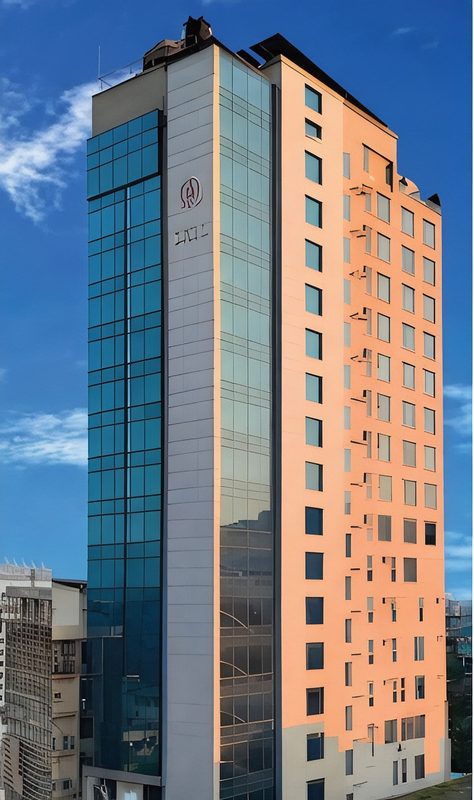
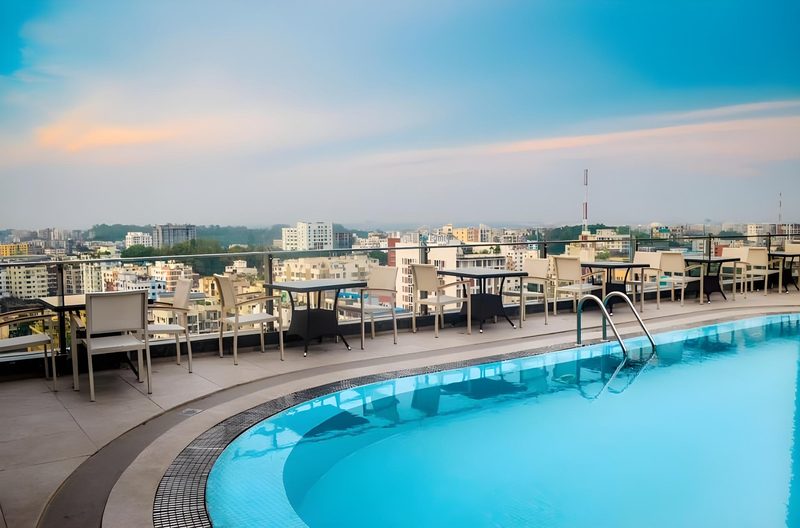
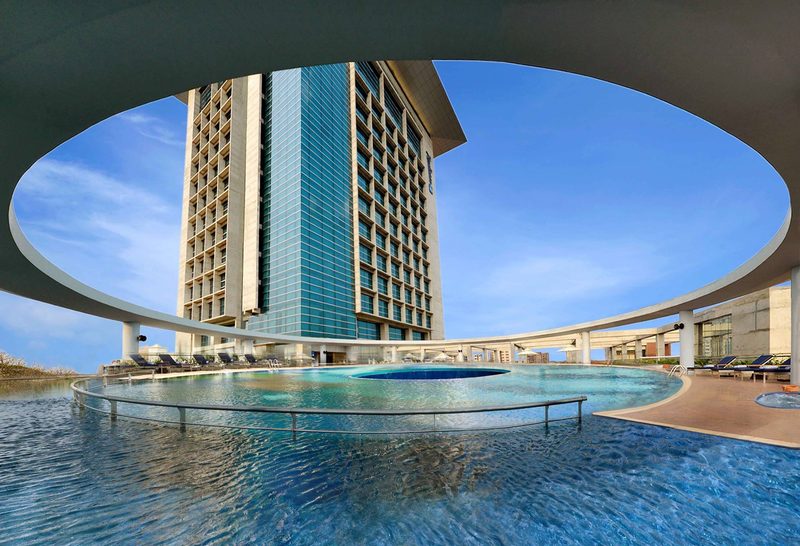
Where to Stay in Chittagong in August
Hand-picked hotels across price tiers for August travellers.
Public Holidays in August
Dates that affect opening hours, transport and crowds
জুলাই গণঅভ্যুত্থান দিবস
Known in English as July Mass Uprising Day. Observed nationwide as a public holiday.
জুলাই গণঅভ্যুত্থান দিবস
Known in English as July Mass Uprising Day. Observed nationwide as a public holiday.
Packing Checklist
Bookmark this page — your progress is saved between visits
Need the full list with shopping links?
Climate-specific gear, brand recommendations, and what to leave at home.
View Chittagong Packing List →Essential Tips
Insider knowledge and common pitfalls to avoid
Insider Knowledge
Chittagong runs on its own dialect, Chittagonian, which is different enough from standard Bangla that even Dhaka residents struggle with it. Learning three phrases gets you further than a phrasebook of standard Bengali: 'kire' (hey, informal greeting), 'fattaise' (great, fine), and 'hoddo' (true). Street vendors and rickshaw drivers warm up noticeably when you attempt Chittagonian instead of textbook Bangla or English.
Try the seven-layer tea at the small stalls along Chowk Bazaar and Nasirabad. This is Chittagong's signature drink, and it is not just a visual gimmick. Each layer is a different concentration of condensed milk, evaporated milk, and tea liquor, poured slowly over a spoon so the densities separate. The taste shifts as you drink through the layers, from intensely sweet at the bottom to bitter tea at the top. Order it by asking for 'shaat rong cha' and watch the stallholder build it in a clear glass.
The CNG auto-rickshaws that are Chittagong's primary transport use compressed natural gas and have no meters. The fare is entirely negotiated, and the opening price quoted to a foreign face is typically two to three times what a local pays. The approach that works is to name your destination, state a price confidently in Bangla numbers, and start walking if they refuse. They almost always call you back. Ride-hailing apps work in Chittagong and bypass the negotiation entirely, though driver availability drops during heavy rain.
If you are planning hill treks to Bandarban or Rangamati, the permit system is real and enforced. Foreign nationals need a No Objection Certificate from the Deputy Commissioner's office in Bandarban or from a licensed tour operator who files on your behalf. The process takes one to two business days. Do not attempt to trek without it, as military checkpoints on the roads into the Hill Tracts will turn you back, and the fines are not symbolic.
Avoid These Mistakes
Do not underestimate the flooding. First-time visitors see 'monsoon' and imagine romantic rain showers. Chittagong in August means streets that flood waist-deep in the port area and Chaktai after sustained downpours, drainage ditches that overflow with sewage-contaminated water, and roads that become impassable without a vehicle. Do not walk through floodwater in open sandals. The contamination risk is real, and waterborne skin infections are common among travelers who wade through standing water without washing immediately after.
Avoid booking a rigid multi-city itinerary with domestic flights. Chittagong's Shah Amanat International Airport sees flight cancellations and delays multiple times per week in August due to weather. Domestic flights to and from Dhaka are the most affected. Build a full buffer day before any international connection out of Dhaka, and consider the Dhaka-Chittagong train as a backup even though it takes five to six hours, because trains run in conditions that ground planes.
Skip visiting the Sitakunda ship-breaking yards expecting an organized tourist attraction. The yards, roughly 30 km (19 miles) northwest of the city, are active industrial sites where decommissioned ocean vessels are dismantled by hand. Access is officially restricted, conditions are dangerous, and photographing workers without consent raises serious ethical concerns. August makes the yards even more hazardous, with wet steel and flooded cutting areas. If this interests you, research the human rights and environmental dimensions before visiting, and respect any access restrictions.
Ready to plan your trip to Chittagong?
Now that you've got the research covered, here's where to go next.
Book Experiences in Chittagong
Top-rated things to do in Chittagong this August

Explore More Activities in Chittagong
Didn't see anything interesting yet?
Browse Viator's full catalog of tours, day trips, food experiences, and private guides in Chittagong.
See All Chittagong Tours on Viator