
Things to Do in Chittagong in June
June weather, activities, events & insider tips
Low Season · Budget Friendly
June Weather in Chittagong
Long-run averages for June
89°F (31°C)
High Temp
78°F (25°C)
Low Temp
24.7 inches (627 mm)
Rainfall
87%
Humidity
19
Rainy Days
10
Sunny-Day UV
⚠ Flash flooding in low-lying neighborhoods and near the Karnaphuli River is common after heavy downpours. Avoid ground-floor rooms in flood-prone areas. Keep valuables elevated. Know your accommodation's drainage situation before booking. Ask directly.
⚠ Landslide risk in the Chittagong Hill Tracts is elevated throughout June. Fatal landslides have occurred on the Bandarban and Rangamati roads during monsoon in recent years. Never attempt hill-tract travel during or immediately after sustained heavy rain. Check conditions first.
⚠ Cyclone season in the Bay of Bengal runs April through November, with June squarely in the active window. Monitor local weather advisories through your accommodation. Have a plan if a cyclone warning is issued. Check hotels near the coast for proximity to designated cyclone shelters. Safety first.
Is June Right for You?
Weigh the advantages and considerations before booking
Advantages
- + Chittagong empties out in June. The War Cemetery, Bayazid Bostami shrine, and Patenga Beach run at a fraction of their usual foot traffic, and accommodation rates drop to their annual floor. You will have major sites largely to yourself, and the negotiating use on rooms is in your favor for once.
- + The Chittagong Hill Tracts reach their most dramatic in June. Bandarban's valleys fill with low cloud that lifts by mid-morning to expose terraced hillsides glowing rain-washed green, and waterfalls like Nafakhum run at a volume you simply will not see from November through March. The landscape earns the logistics, if you can tolerate the uncertainty.
- + Monsoon brings Chittagong's seafood and seasonal cooking to a peak. Hilsa, the silvery fish Bengalis treat as a near-sacred ingredient, begins its spawning run up the Karnaphuli, and kala bhuna, the city's signature slow-darkened beef curry dense with roasted cumin and cardamom, appears at communal mezban feasts that cluster through the wet months. June eating in Chittagong is the best eating Chittagong does.
- + The air between storms is the cleanest of the year. Each downpour strips the dust and diesel haze that clings to the city from December through April, and the post-rain light over the Karnaphuli River turns copper and violet in a way the dry season, for all its comfort, never manages. Photographers live for these breaks.
Considerations
- − The rain is not a drizzle. June averages 627 mm (24.7 inches) across 19 days, and individual storms dump water hard enough to flood low-lying streets within an hour. Afternoon plans will get cancelled at least half the time, and flexibility here is not a personality trait, it is a survival skill.
- − Landslide risk in the Chittagong Hill Tracts is real and sometimes fatal. Roads to Bandarban, Rangamati, and Khagrachari close without notice after heavy rain, and the decision to push through in bad conditions is one you should never make. If the Hill Tracts are your primary reason for visiting, June is a genuine gamble.
- − The humidity at 87% average feels physically oppressive, if you are arriving from a temperate climate. Air conditioning is unreliable outside higher-end accommodations, and the combination of 31°C (89°F) heat and saturated air means you will sweat through clothing within an hour of stepping outside, even standing still in shade.
Best Activities in June
Top things to do during your visit
Chittagong City Heritage Circuit
June's overcast skies and thinned crowds make Chittagong's heritage sites more contemplative than they manage in peak season. The Commonwealth War Cemetery, maintained with unnerving precision among rows of white headstones from the Burma campaign, sits in near-silence on a weekday morning while kingfishers call from the bordering trees and rain-darkened grass gives off the smell of wet earth. At Bayazid Bostami shrine, ancient black softshell turtles surface in the rain-swollen pool for offered food, and the mix of incense smoke and dampness settles into a scent that stays with you longer than any photograph. The old colonial-era buildings around the Court Hill area are best walked in the cooler hours before 10 AM, when the light is soft and the heat has not yet turned punishing. Use the Zia Memorial Museum as your afternoon rain shelter when the storms roll in, because they will.
Booking Tip: Book a guided circuit at least a week ahead through licensed operators, as June's limited tourist traffic means some guides do not run daily schedules. Check the booking section below for current availability and departure times.
Karnaphuli River Morning Cruise
The Karnaphuli in June is a different river from its dry-season self: swollen and brown and fast with monsoon runoff, carrying fishing boats, cargo barges, and the occasional uprooted palm downstream toward the Bay of Bengal. Morning trips departing before 8 AM catch the river at its calmest, when mist still sits low on the water and the diesel-and-fish smell of the port mixes with the mineral scent of churned mud from the banks. The working boats hauling goods from Chittagong's port give the water a texture and noise, engine throb and rope creak and shouted Chittagonian, that tourist-peak months polish away. Avoid afternoon departures entirely. The chop that builds after noon combined with the likelihood of a monsoon squall turns a pleasant cruise into a white-knuckle ride back to the terminal.
Booking Tip: Arrange through the booking section below or directly at Sadarghat river terminal. Morning slots fill first, so book two to three days ahead and confirm the night before, as operators cancel freely when weather looks threatening.
Covered Market and Food Culture Walk
Monsoon is the right season to eat your way through Chittagong, because the covered markets stay dry and the seasonal catch changes week to week. Khatunganj, one of South Asia's largest wholesale bazaars, sprawls under corrugated metal roofing where the air thickens with turmeric dust, dried chili heat, and the unmistakable sharp funk of shutki, the salt-cured dried fish that defines Chittagonian cooking and announces itself from two stalls away. Follow the shutki vendors long enough and you reach the cooked-food carts serving kala bhuna: beef slow-cooked so long it turns nearly black, dense with fried onion and layered spice, with a roasted depth that the lighter curries of northern Bangladesh never approach. Hilsa steamed in banana leaf with mustard paste appears on the port-side carts through monsoon, the flesh almost custard-soft and rich with the kind of clean fat that makes you stop chewing just to pay attention. Hydrate constantly. The covered bazaars trap heat like an oven.
Booking Tip: Guided food walks with local knowledge are available through the booking section below. Go with someone who knows the market vendors personally. The window between 7 and 10 AM is everything. After that the covered spaces turn suffocating.
Bandarban Hill Tracts Day Excursion
Bandarban in June is impossibly, almost absurdly green. The valleys fill with cloud that lifts by mid-morning to reveal terraced hillsides, waterfall trails running at full monsoon volume, and indigenous Marma and Chakma villages where Buddhist prayer flags hang rain-soaked in the mist. The drive from Chittagong city covers roughly 90 km (56 miles) and takes around three hours when conditions cooperate. But monsoon road closures can double that or shut the route without warning. This is the honest trade-off and you need to hear it clearly: the landscape is at its most dramatic. But access is the least reliable of any month. Nilgiri, at about 700 m (2,300 ft), sometimes sits fully inside cloud with zero visibility, and sometimes breaks clear into panoramas that stretch toward the Myanmar border. You need complete flexibility and a genuine willingness to turn back.
Booking Tip: Book with operators who provide vehicles built for monsoon-condition roads and who confirm road status the morning of departure. The booking section below lists current options. Leave at dawn and build a full contingency day into your itinerary. Treat the Hill Tracts as a bonus, not a guarantee.
Patenga Beach Dawn Walk and Coastal Morning
Patenga in monsoon is not a beach day in any conventional sense. The Bay of Bengal throws heavy grey-green waves against the shore, salt spray carries 30 m (100 ft) inland on the wind, and the fishing boats pulled up on the sand rock with each increase. That is precisely why the 14 km (8.7 mile) ride south from the city center at dawn is worth setting an alarm for: the drama of a monsoon coast without the shoulder-to-shoulder crowds that pack Patenga from November through February. Local fishermen haul nets as the light comes up, wet sand reflects the violet-grey sky, and the stalls firing up by 7 AM serve fried paratha and egg with sweet milky cha that warms your hands around the cup. Do not swim. The currents in June are dangerous, and there is no lifeguard presence. Walk the beach, eat, shoot the light, and leave before the heat builds past comfortable.
Booking Tip: No organized tour needed. Take a CNG auto-rickshaw from the city center, departing by 5:30 AM to catch first light. If combining with the nearby BNS Issa Khan naval area, allow three hours total before the morning clouds start building.
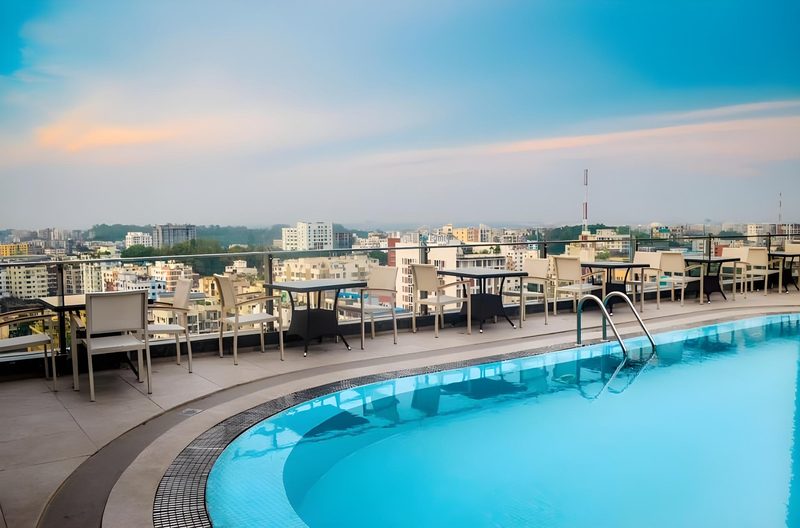
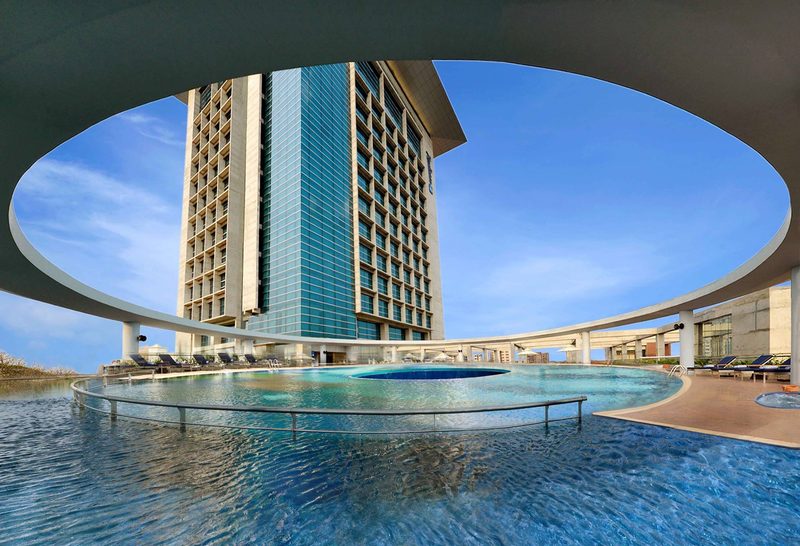
Where to Stay in Chittagong in June
Hand-picked hotels across price tiers for June travellers.
Packing Checklist
Bookmark this page — your progress is saved between visits
Need the full list with shopping links?
Climate-specific gear, brand recommendations, and what to leave at home.
View Chittagong Packing List →Essential Tips
Insider knowledge and common pitfalls to avoid
Insider Knowledge
The real Chittagong eating happens at mezban feasts, communal gatherings where beef is served in a dozen preparations to hundreds of guests. These are not restaurant events. They are social obligations, hosted by families marking weddings, births, or religious milestones, and they happen throughout the monsoon months. Ask your hotel staff or guide when the next local mezban is and whether an outsider can attend. The answer is almost always yes, and the food, the bone-marrow curry and the slow-fried beef, is the most authentic Chittagong cooking you will find anywhere.
The morning window between 6 and 10 AM is your outdoor planning axis for the entire month. Monsoon storms tend to build through late morning and arrive with force between noon and 5 PM. Schedule every outdoor activity for early morning, use the afternoon for covered markets, museums, or rest, and go back out after 6 PM if the rain has cleared. Locals follow this rhythm instinctively, and fighting it costs comfort and time in equal measure.
Chittagong's old Firingee Bazaar neighborhood, named for the Portuguese traders who settled here in the sixteenth century, has a worn, layered character that the newer commercial areas lack entirely. The narrow lanes flood quickly but drain fast, and between showers the wet stone and old timber buildings give off a smell of damp wood and decades that rewards walking slowly. It is the best neighbourhood on foot in the city, and almost no visitors find it.
Carry small denominations of taka in a waterproof pouch. ATM reliability drops during heavy storms when power cuts hit, and card machines are rare outside hotels and upmarket restaurants. Dry cash solves both problems. CNG auto-rickshaw drivers, your primary transport in monsoon, rarely carry change. Pack smart.
Avoid These Mistakes
Never schedule outdoor activities for the afternoon. June's storms hit hardest between noon and 5 PM. Travelers who plan the War Cemetery or Patenga for after lunch end up soaked. They get stuck in a CNG auto-rickshaw with no cover, waiting out an hour-long downpour on a flooded road. Front-load every outdoor plan to morning hours. No exceptions.
Never attempt the Chittagong Hill Tracts without a contingency plan. Roads to Bandarban and Rangamati close after landslides with zero advance notice. Travelers who have booked a rigid itinerary find themselves stranded in Chittagong city with a dead day and no backup. Build at least one buffer day into your schedule. Treat the Hill Tracts as a welcome bonus, not the fixed centerpiece of your trip.
Avoid swimming at Patenga Beach. The monsoon currents in the Bay of Bengal are strong enough to pull a confident swimmer out in seconds. There is no lifeguard presence or safety infrastructure of any kind. Every monsoon season this catches visitors who underestimate the water. Watch the waves from shore. Do not go in past your ankles.
Ready to plan your trip to Chittagong?
Now that you've got the research covered, here's where to go next.
Book Experiences in Chittagong
Top-rated things to do in Chittagong this June

Explore More Activities in Chittagong
Didn't see anything interesting yet?
Browse Viator's full catalog of tours, day trips, food experiences, and private guides in Chittagong.
See All Chittagong Tours on Viator