Things to Do in Chittagong in September
September weather, activities, events & insider tips
Low Season · Budget Friendly
September Weather in Chittagong
Long-run averages for September
89°F (31°C)
High Temp
77°F (25°C)
Low Temp
11.1 inches (282 mm)
Rainfall
87%
Humidity
18
Rainy Days
10
Sunny-Day UV
⚠ Landslide risk is elevated throughout the Hill Tracts districts (Bandarban, Rangamati, Khagrachari) after four consecutive months of monsoon saturation. Check road conditions daily before travel. Avoid hill roads after dark. Carry enough supplies to wait out an unexpected road closure. The hills are saturated. They can slip.
⚠ Urban flooding occurs in low-lying sections of Chittagong city during heavy downpours. The port zone, the Agrabad underpass, and the Chaktai market area are vulnerable. Ankle-to-knee-deep water can appear within an hour of sustained rain. It takes several hours to recede. Plan alternate routes. Wear waterproof footwear.
⚠ Dengue-carrying mosquito activity peaks during late monsoon across the Chittagong region. Apply DEET-based repellent consistently throughout the day. Sleep under a treated net if your accommodation lacks screened windows. Seek medical attention promptly for any fever with severe body aches developing within a week of mosquito exposure. This is not optional.
Is September Right for You?
Weigh the advantages and considerations before booking
Advantages
- + September catches the monsoon in retreat. Chittagong's rainfall drops to 282 mm (11.1 inches), less than half of July's 719 mm (28.3 inches) peak. This means dramatically more dry windows for exploration. The hills east of the city stay impossibly green. The waterfalls in Bandarban run at full throat.
- + Peak ilish season turns Chittagong into the best place in Bangladesh to eat the national fish. The silvery hilsa pulled from the Karnaphuli estuary and Bay of Bengal runs fat with oil in September. Every neighborhood kitchen and market stall smells of mustard-seed-fried ilish. You simply cannot find this quality anywhere else.
- + Tourist numbers bottom out. In Chittagong, this means you go from few to almost none. The Chittagong War Cemetery, Bayazid Bostami Shrine, and Patenga waterfront belong to you and the locals. Conversations start naturally. Nobody is performing for a crowd.
- + Accommodation prices hit their floor across every tier. This includes the business hotels around Agrabad and the guesthouses closer to the old port quarter. September is when budget-conscious travelers stretch their money furthest. The city already runs far cheaper than most of South and Southeast Asia.
Considerations
- − Eighteen days of rain and 87% humidity mean nothing ever fully dries. Your clothes, your shoes, your towel all carry a persistent dampness. The heat-plus-moisture combination saps your stamina faster than the thermometer alone would suggest. Pack extra socks.
- − The Hill Tracts roads between Chittagong and Bandarban or Rangamati are landslide-prone after months of soil saturation. Sections can close without warning. The army sometimes restricts access. A planned day trip becomes a cancelled one with no notice.
- − The Bay of Bengal runs rough through September. Beach swimming at Patenga is dangerous. Boat excursions toward St. Martin's Island or the outer coast are mostly cancelled. If coastal water activities are your reason for visiting, this is the wrong month.
Best Activities in September
Top things to do during your visit
Chittagong War Cemetery and Colonial Heritage Walk
The Commonwealth War Graves Commission cemetery is one of the most carefully maintained sites in Bangladesh. 753 headstones from the Burma campaign sit in manicured grass that the September rains keep almost absurdly green against the grey sky. The grounds smell of wet earth and frangipani. You can hear the muezzin's call from a nearby mosque layered over birdsong that thrives in the damp air. September's overcast light is better for this visit than the harsh dry-season glare. The cooler mornings settle around 25°C / 77°F before noon. This makes the 3 km (1.9 mile) walk through the old colonial quarter toward Andarkilla's compressed lanes entirely manageable. Continue past the crumbling facades along Sadarghat to the Karnaphuli waterfront, where river ferries chug across the brown water trailing diesel smoke. The whole walk takes three to four hours at a pace that allows stops. The rain tends to hold off until mid-afternoon.
Booking Tip: Book a local guided heritage walk at least a week in advance through licensed cultural operators. September's low season means guides are available but not always actively listing tours. Morning departures before 8 AM dodge both the heat and the afternoon rain window. See current guided tour options in the booking section below.
Karnaphuli River Monsoon Boat Excursion
The Karnaphuli swells to its widest in September. It runs brown with Himalayan sediment carried 270 km (168 miles) from the Hill Tracts. Riding it by country boat or motorized launch is one of Chittagong's great monsoon experiences. The air on the water runs a few degrees cooler than the city streets. It carries the brackish tang of the estuary mixed with woodsmoke from the boatyards along the south bank. You pass the commercial port where container ships sit stacked against a sky that shifts between pewter and sudden cobalt when the clouds break. Upstream toward Kaptai, the river narrows between forested banks where kingfishers flash electric blue against the green canopy. Avoid afternoon departures. The river chop picks up markedly after 2 PM when squall lines roll in from the Bay. What was a pleasant ride turns rough and uncomfortable within minutes.
Booking Tip: Arrange boat hire through your accommodation or at the Sadarghat riverfront terminal the day before. There is no formal centralized booking system. Arrive early morning to negotiate with operators directly. Life jackets are not always provided. Bring your own inflatable vest if you are not a confident swimmer. See the booking section below for organized river tour options that include safety equipment.
Bandarban Hill Tracts Waterfall Trekking
Bandarban district, roughly 90 km (56 miles) southeast of Chittagong city, transforms into something almost implausibly lush by September. Every surface drips. The forest canopy closes overhead like a green vault. The waterfalls that trickle in dry season now thunder with enough force to shake the ground underfoot. Nafakhum Falls, the widest in Bangladesh, hits its peak flow this month. The full-day trek to reach it through Marma and Mru indigenous territory rewards you with mist-soaked gorges and the roar of water crashing into basalt pools. The air in the valleys runs cooler than Chittagong city by 3-4°C (5-7°F). It is dense with the smell of rotting leaves and wild ginger. Trails are seriously slippery. Leeches are inescapable. Long socks tucked into trouser legs and a packet of salt are not optional gear. The Chimbuk Range viewpoint at 750 m (2,460 ft) elevation offers cloud-wrapped panoramas when the mist parts. This happens unpredictably and without warning.
Booking Tip: Book trekking guides through registered operators at least two weeks ahead. Confirm road conditions before departing. Landslides close the Chittagong-Bandarban highway several times each September. Foreign visitors require a permit for areas beyond Bandarban town. Obtain it through the district commissioner's office or via your tour operator. Budget two full days minimum for any serious waterfall trek. See current trekking options in the booking section below.
Rangamati and Kaptai Lake Cultural Day Trip
Kaptai Lake sits roughly 100 km (62 miles) north from Chittagong. September brings its highest water level. The shoreline forests drown up to their canopy. Chakma tribal villages become stilt-house communities. Wooden longboats connect them. Rangamati town, the lake's administrative center, moves slower than Chittagong city. Buddhist monasteries with terracotta walls sit among jackfruit trees. Chakma weavers sell hand-loomed textiles at the Tribal Cultural Institute. Their patient rhythm slows you down by proximity alone. The lake smells of rain and earth. In grey September light it looks like hammered tin stretching to forested hills on every side. The hanging bridge at Shuvolong rewards the walk if water level permits access. The boat ride carries you past submerged treetops. They look quietly surreal. Like a forest that decided to wade.
Booking Tip: Arrange a day trip through licensed operators in Chittagong at least one week before travel. Foreign nationals need an inner-district permit for Rangamati. Reputable operators handle this as part of the booking process. Carry a dry bag for your camera gear. Open boats take spray even on calm days. September is not calm. See current tour options in the booking section below.
Chittagong Hilsa and Mezban Food Trail
September puts Chittagong at the center of Bangladesh's most obsessive food season. Ilish maach, hilsa, the fatty silver herring that Bengalis argue about the way Italians argue about olive oil, arrives at the city's markets gleaming and oil-rich from the Karnaphuli and Meghna estuaries. The smell of sorshe ilish, hilsa steamed in mustard paste wrapped in banana leaf, drifts from kitchens across the city from midday onward. Sharp and pungent with mustard oil and green chili. September's lower costs mean more families host them. Thick, slow-cooked beef curries with brick-red gravy stain your fingers. The warmth builds from the back of your throat forward. The best eating happens not in formal restaurants. Try the neighborhood stalls around Khatunganj and Chaktai. Fish markets open before dawn there. Sorting bins overflow with the morning catch. The air fills with salt and brine and haggling in rapid-fire Chittagonian dialect. Even Dhaka residents struggle to follow it.
Booking Tip: No formal food tours currently operate in Chittagong at the scale of larger Asian cities. Ask your hotel to arrange a local food guide. Or walk the market areas of Khatunganj and Chaktai in morning hours when stalls are freshest. Stick to vendors with high turnover and visibly fresh preparation. For organized food experiences, check current options in the booking section below.
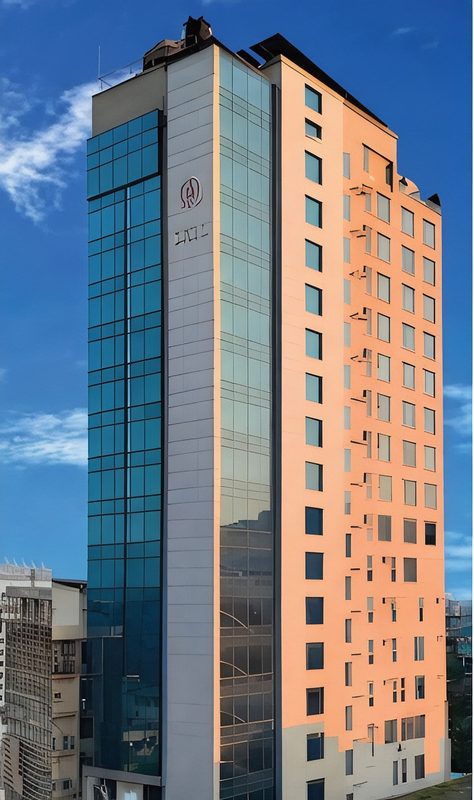
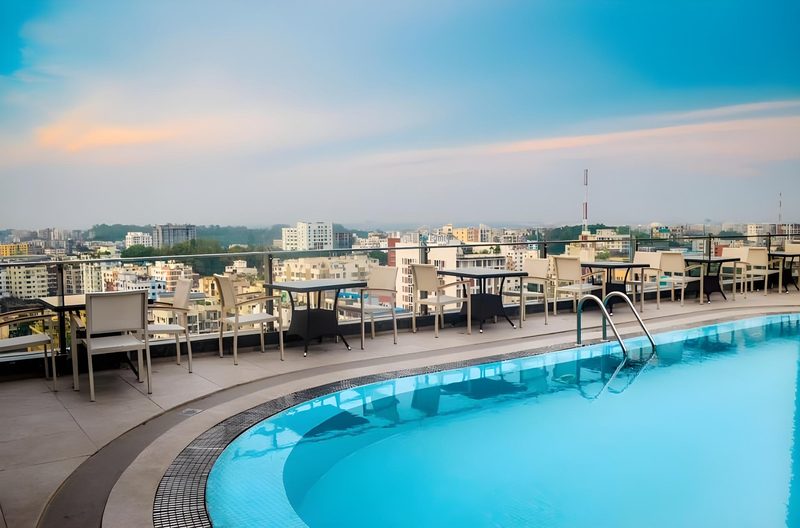
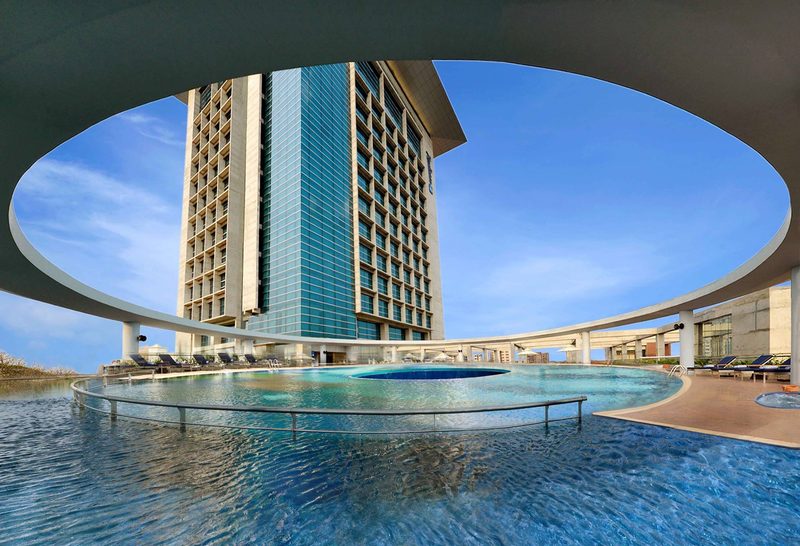
Where to Stay in Chittagong in September
Hand-picked hotels across price tiers for September travellers.
Packing Checklist
Bookmark this page — your progress is saved between visits
Need the full list with shopping links?
Climate-specific gear, brand recommendations, and what to leave at home.
View Chittagong Packing List →Essential Tips
Insider knowledge and common pitfalls to avoid
Insider Knowledge
The Chittagong Club area on Fairy Hill dates to 1857. It is surrounded by the city's most pleasant cycling territory. Shaded cantonment roads loop through officer housing and up toward Batali Hill. Views over the port and the Karnaphuli await. Bicycle rental operators near the club gates cater mostly to locals doing early morning rides. September's pre-rain window between 6 and 8 AM gives you the coolest, driest stretch of the day. Ride then.
Chittagonians speak a dialect distinct from standard Bengali. Dhaka residents sometimes cannot follow a fast conversation. The intonation rises where standard Bengali falls. Everyday words differ entirely. Learn three phrases in Chittagonian rather than textbook Bengali. Master the greeting, a thank you, and a polite way to ask directions. This opens doors that standard Bengali does not. Locals immediately register you have done homework specific to their city. Not just their country.
Vatiary Lake sits about 14 km (8.7 miles) north of the city center near Hathazari. Chittagong residents escape here on weekend mornings when they want quiet. It is a spring-fed lake surrounded by low hills and bamboo groves. Most foreign visitors have never heard of it. September fills it to its brim. The surrounding forest turns dense enough to swallow traffic noise entirely. There is no formal entry fee or tourist infrastructure. Bring your own water, snacks, and something to sit on.
Naval Beach lies south of Patenga near the Bangladesh Navy base. Prior written permission is required to access it. The stretch of sand is cleaner and emptier than Patenga by a wide margin. Your hotel can arrange the application to the naval base. Allow at least 48 hours for processing. In September the beach is best for walking and watching the surf rather than swimming. The waves run heavy and unpredictable. The solitude and the sound of the Bay crashing onto uncluttered sand make it worth the bureaucratic effort.
Avoid These Mistakes
Never plan Hill Tracts day trips without confirming road conditions that same morning. The Chittagong-Bandarban and Chittagong-Rangamati highways flood and slide regularly in September. Travelers who set out at dawn without calling ahead arrive at military roadblocks three hours from the city. They find no alternative route. The day is wasted.
Never carry only cards and mobile payment apps. Chittagong's street food stalls, CNG auto-rickshaws, and most smaller shops outside the Agrabad commercial district are cash-only operations. ATMs in the old city and Hill Tracts areas go empty or drop offline frequently during monsoon power interruptions. Withdraw enough Bangladeshi taka for the full day before leaving your hotel each morning.
Never underestimate how heat and humidity compound to drain your stamina. 31°C (89°F) at 87% humidity creates a perceived temperature closer to 40°C (104°F). Tourists who plan ambitious six-hour walking days routinely abandon their itineraries by noon. Schedule no more than three hours of continuous outdoor activity before retreating to air conditioning. Keep cold water within reach at all times.
Ready to plan your trip to Chittagong?
Now that you've got the research covered, here's where to go next.
Book Experiences in Chittagong
Top-rated things to do in Chittagong this September

Explore More Activities in Chittagong
Didn't see anything interesting yet?
Browse Viator's full catalog of tours, day trips, food experiences, and private guides in Chittagong.
See All Chittagong Tours on Viator